
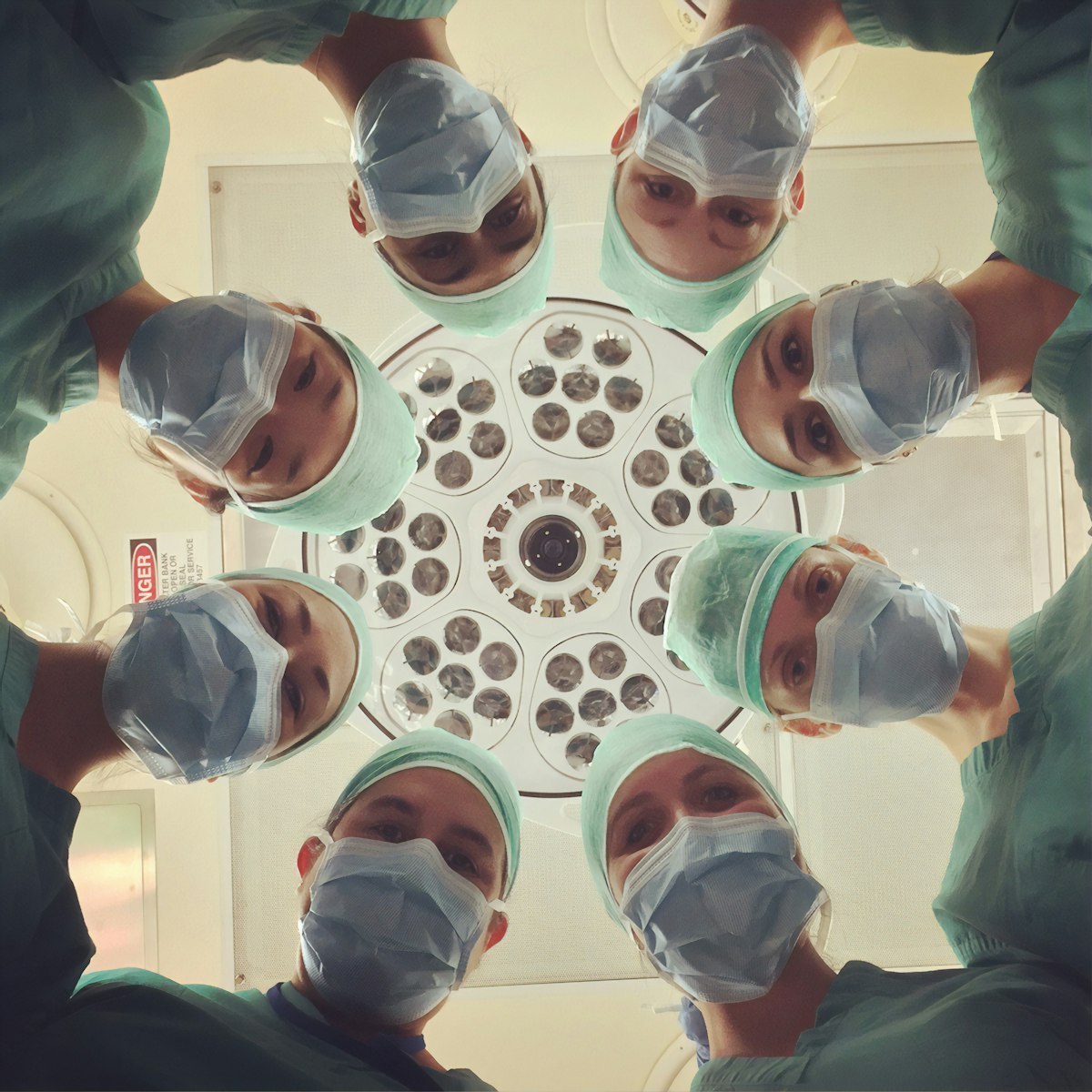
Patients often imagine that safety lives only in the operating lights. In practice it begins days earlier, when a coordinator asks about blood thinners, when an anaesthetist explains fasting, and when someone writes down who will sit with you that evening.
The week before
We review medicines that affect bleeding and blood sugar. Some tablets continue; some pause for a defined window. Guessing is how people arrive with a surprise. Bring the boxes, not only the names you remember.
Skin, teeth, and recent infections matter. A small wound can postpone a planned procedure because bacteria travel more easily when tissue is opened. Telling us early is kinder than discovering it on the morning of the list.
The morning itself
Teams use a short briefing: the person’s name, the planned side, allergies, and the equipment that must be in the room. The pause feels ordinary to staff and essential to patients. You can ask what will happen in the first hour after you wake. Knowing the sequence reduces fear more than vague reassurance.
Going home
Outpatient surgery works when the first night is planned. An escort, a charged phone, and written pain instructions prevent a lonely 2 a.m. guess. We would rather delay a discharge than send someone home without a clear person to call.
If you have a procedure on the horizon, request a planning visit so questions are answered while you are still calm.